
Building Better Men, Stronger Communities
Freemasonry is one of the world's oldest and most respected fraternal organizations, bringing together men of good character from all walks of life who seek personal growth and community service. In Kenya and across Africa, Freemasonry has a rich heritage dating back to the colonial era and has evolved into a truly African institution that welcomes men regardless of tribe, religion, or social status.
Freemasonry is not a religion, but it requires members to believe in a Supreme Being. It welcomes Christians, Muslims, Hindus, and men of all faiths.
A Masonic lodge is where local Freemasons meet, learn, and work together. In Kenya, you'll find lodges in major cities like Nairobi, Mombasa, Kisumu, and Nakuru, as well as in countries across East, West, and Southern Africa.
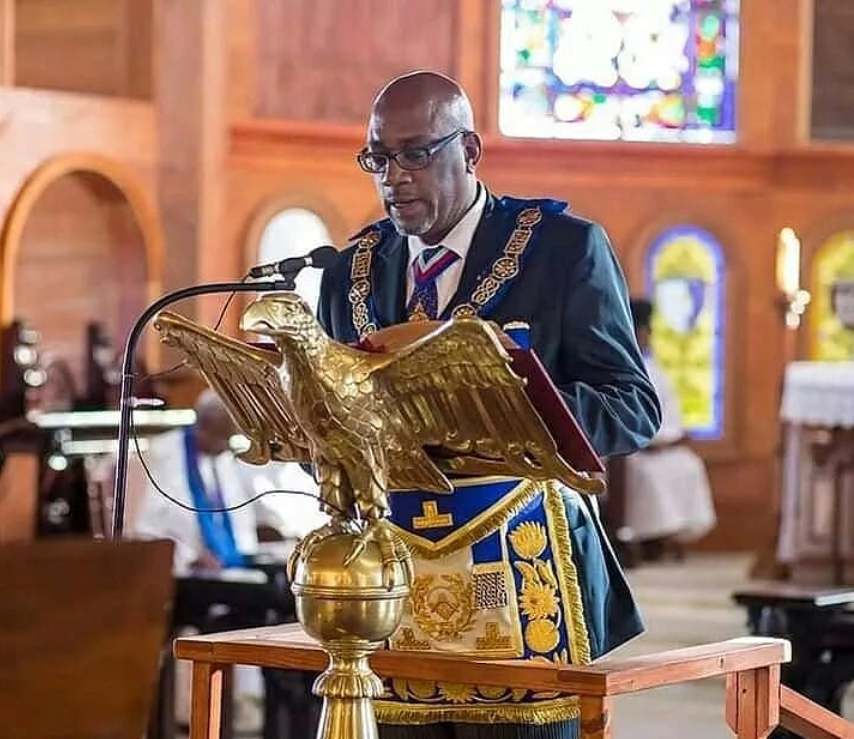
The lodge is more than a building—it's a brotherhood united in promoting Masonic values and supporting one another. During closed meetings, Freemasons perform meaningful rituals that teach moral lessons through symbolism and ceremony. Lodge buildings vary from historic Grand Lodges to simple meeting rooms, but the fellowship and teachings remain constant.
Masonic traditions are founded upon the building of King Solomon's Temple, using the working tools of stonemasons as symbols for moral lessons:
These symbols guide Masons to lead lives of honor, treat every person with dignity, and stand firm in their principles—values that resonate deeply with African ubuntu philosophy of shared humanity.
Freemasonry in Kenya and Africa today:
Every Freemason begins his journey in a local lodge, where he receives the first three Degrees in Masonry, each teaching progressively deeper lessons about character, knowledge, and service.
Freemasonry: Building better men, stronger communities, across Africa.
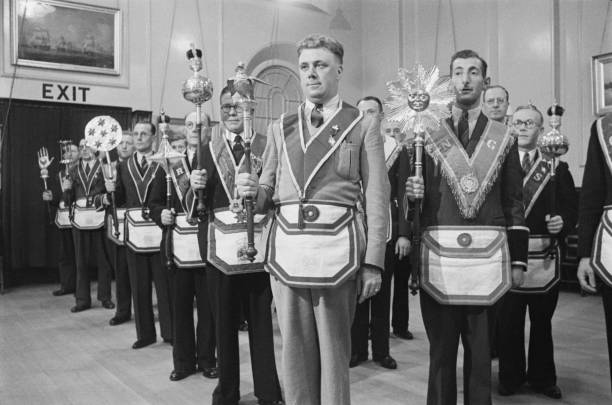
The evolution from operative to speculative Masonry represents one of history’s most significant fraternal developments.
Since the middle of the 19th century, Masonic historians have sought the movement’s origins in ancient documents known as the Old Charges, dating from the Regius Poem in 1425 to the beginning of the 18th century. The Old Charges include rules and regulations for training operative stonemasons in the guilds of Medieval times.
Over time, men who were not operative masons began entering the lodge communities. These men became known as “accepted” or “speculative” Masons, while the craftsmen adopted the moniker of “free” Masons. Together they became known as the “Free and Accepted” Masons, from which modern Freemasonry has descended.
The earliest rituals and passwords from operative lodges stem from the turn of the 17th–18th centuries. They show continuity with the traditions developed in the later 18th century by accepted or speculative Masons. The minutes of the Lodge of Edinburgh (Mary’s Chapel) No. 1 in Scotland show a continuity from an operative lodge in 1598 to a modern speculative Lodge. It is reputed to be the oldest Masonic Lodge in the world.
The transformation from operative to speculative Masonry marked a profound shift in the organization’s purpose. While once focused on the practical craft of stonemasonry, Freemasonry evolved into a philosophical and moral system that uses the tools and traditions of building as metaphors for personal development and ethical living.
Unity was not easily achieved, as competing visions of Masonic tradition created a decades-long divide.
The first Grand Lodge, the Grand Lodge of London and Westminster (later called the Grand Lodge of England), was founded on June 24, 1717, when four existing London Lodges met for a joint dinner. Freemasonry was gaining momentum throughout England, and this body was formed to oversee the fraternity in London. Even in the English colonies in America, the craft was surging in popularity, and colonists desired formal permission to create local Masonic lodges.
Many English Lodges joined the new regulatory body, which entered a period of self-publicity and expansion. However, many Lodges could not endorse changes that some Lodges made to the ritual (they came to be known as the Moderns), and a few formed a rival Grand Lodge on July 17, 1751, which they called the “Ancient Grand Lodge of England.”
These two Grand Lodges vied for supremacy until the Moderns promised to return to the ancient ritual. They united on December 27, 1813, to form the United Grand Lodge of England (UGLE), which remains one of the most influential Masonic bodies in the world today. This unification strengthened Freemasonry and established standards that would influence lodges across the globe, including those that would eventually be established in Africa.
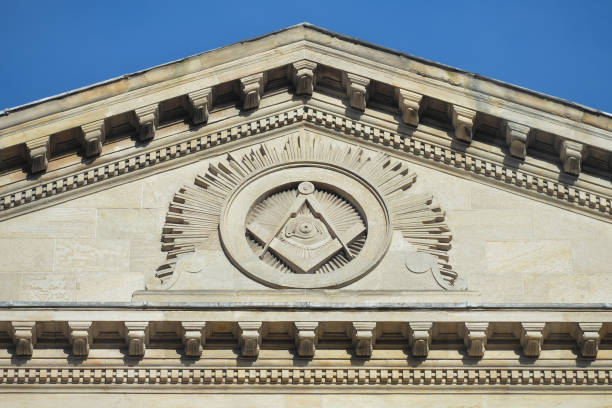
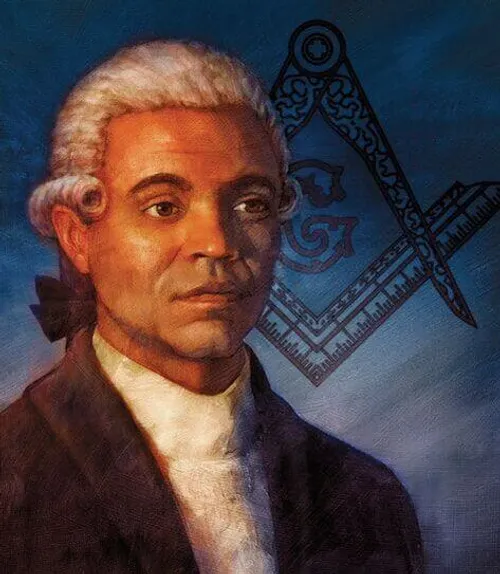
The African Masonic journey began not in Africa, but in the struggle for equality in colonial America.
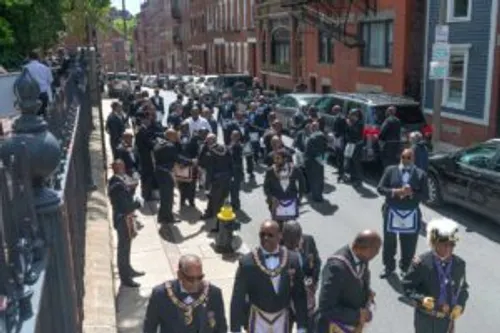
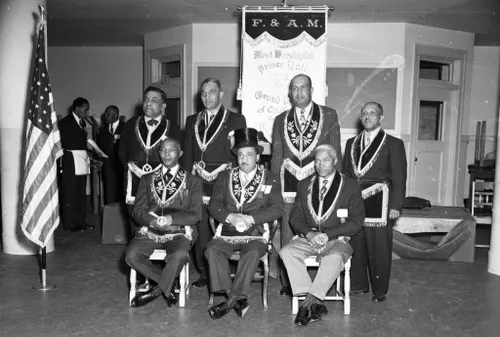
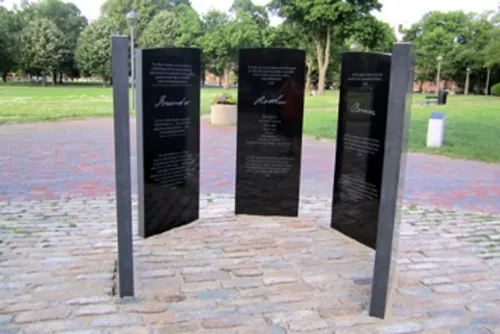
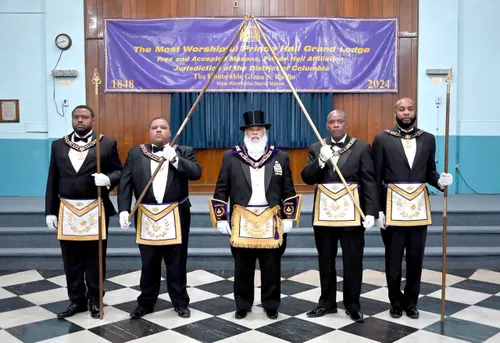
The story of Freemasonry in Africa is intertwined with the broader history of colonialism and the African diaspora. Prince Hall Freemasonry exists because of the refusal of early American lodges to admit African Americans. In 1775, an African American man named Prince Hall and 14 other African American men were initiated into a British military lodge with a warrant from the Grand Lodge of Ireland, having failed to obtain admission from other lodges in Boston.
When the British military Lodge left North America after the Revolution, those 15 men were given authority to meet as a lodge but not to initiate Masons. In 1784, these individuals obtained a warrant from the Premier Grand Lodge of England and formed African Lodge No. 459. When the UGLE was formed in 1813, all U.S.-based Lodges were stricken from their rolls, primarily due to the War of 1812.
Separated from both UGLE and any concordantly recognized U.S. Grand Lodge, African Lodge No. 459 re-titled itself as African Lodge No. 1 and became a de facto African Grand Lodge. As with the rest of U.S. Freemasonry, Prince Hall Freemasonry soon grew and organized a Grand Lodge system for each state.
Freemasonry eventually spread to the African continent itself through both colonial connections and the influence of Prince Hall Masonry. African Grand Lodges began to emerge, bringing the ancient traditions of the craft to African soil while adapting to local cultures and contexts. Today, Freemasonry in Africa represents a unique blend of universal Masonic principles and African heritage, creating vibrant lodge communities across the continent.
We the African Grand Lodge stand as a testament to this rich history, welcoming men of all backgrounds who seek to walk the path of Masonic teachings while honoring both the ancient traditions of the craft and the proud heritage of Africa.
Treating Every Person with Respect and Compassion
Brotherly Love is the first and perhaps most essential principle of Freemasonry. It teaches Masons to regard the entire human race as one family, created by one Almighty Being. This principle calls upon Freemasons to treat all people with kindness, understanding, and dignity, regardless of their background, status, or beliefs.
In practice, Brotherly Love manifests in the deep bonds formed between lodge members and extends outward to their families and communities. In African contexts, this principle resonates powerfully with the ubuntu philosophy—the belief that "I am because we are"—reinforcing the interconnectedness of all humanity.
Brotherly Love means meeting upon the level of equality, where neither wealth, position, nor tribal affiliation creates barriers between brothers. It creates a space where men from diverse backgrounds can gather as equals, united by shared values.
Supporting Those in Need Through Charity and Service
Relief represents Freemasonry's commitment to charity, compassion, and assistance to those facing hardship. This principle compels Masons to actively support their brothers, their families, and their communities through both material aid and personal service.
The practice of Relief extends far beyond simple charitable donations. It encompasses mentorship for younger members, emotional support during difficult times, assistance to widows and orphans, community development projects, educational scholarships, healthcare initiatives, and disaster response.
Relief teaches that true Masonic charity is given freely, without expectation of recognition or reward. It is not about grand gestures alone but also the quiet acts of kindness—visiting a sick brother, helping a member find employment, or simply being present when someone needs a listening ear.
Living with Integrity and Moral Uprightness
Truth, the third pillar of Freemasonry, calls upon members to be honest in their dealings, steadfast in their principles, and committed to personal integrity. This principle demands that Masons align their actions with their words and live according to the highest moral standards.
Truth in Freemasonry means more than simply not telling lies. It encompasses intellectual honesty, self-examination, and the courage to stand for what is right even when it's difficult. Masons are taught to act by the plumb of uprightness—maintaining their integrity regardless of external pressures or personal cost.
This principle is particularly relevant in modern Africa, where ethical leadership and good governance are essential for progress. Freemasons committed to Truth become agents of positive change in their societies, refusing to participate in corruption, speaking out against injustice, and modeling the behavior they wish to see in their communities.
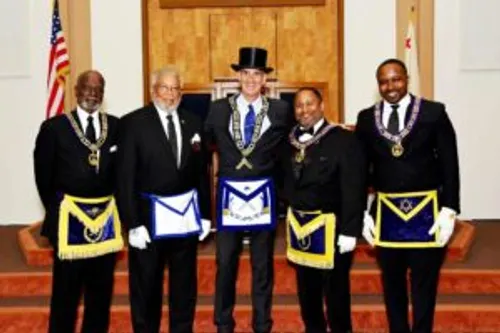
Joining Freemasonry opens doors to personal growth and meaningful connections that last a lifetime. As a Freemason, you become part of a global brotherhood dedicated to making good men better.
Freemasonry in Africa is open to men from all walks of life who meet our fundamental requirements. Whether you’re in Nairobi, Lagos, Johannesburg, or Accra, the path to membership is welcoming and clear.
Freemasonry has been shrouded in mystery and misunderstanding for centuries. Let’s separate fact from fiction and address the most common misconceptions about our fraternity.
WhatsApp us